01I've had lessons and watched the tips. Why would this be any different?
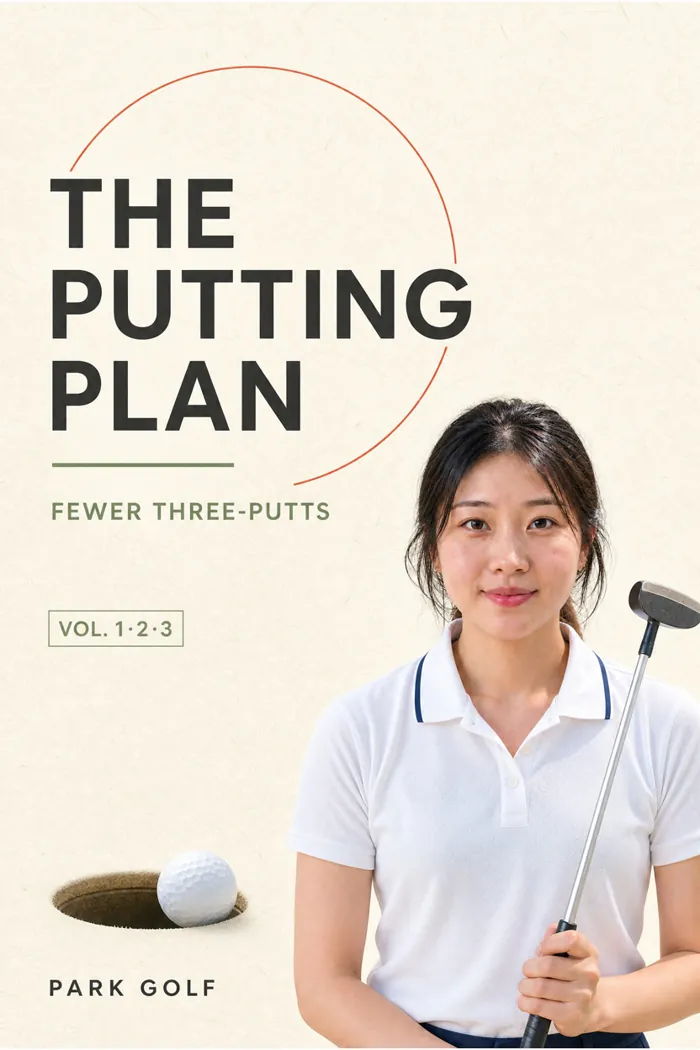
Most putting advice gives you one more thing to think about over the ball. This does the opposite. It gives your stroke a length you measure once with your own hand, checks it against the day's green in three putts, and then leaves you only two things to think about: the line and the speed.
02Do I need a new putter, a mat or any gadgets?
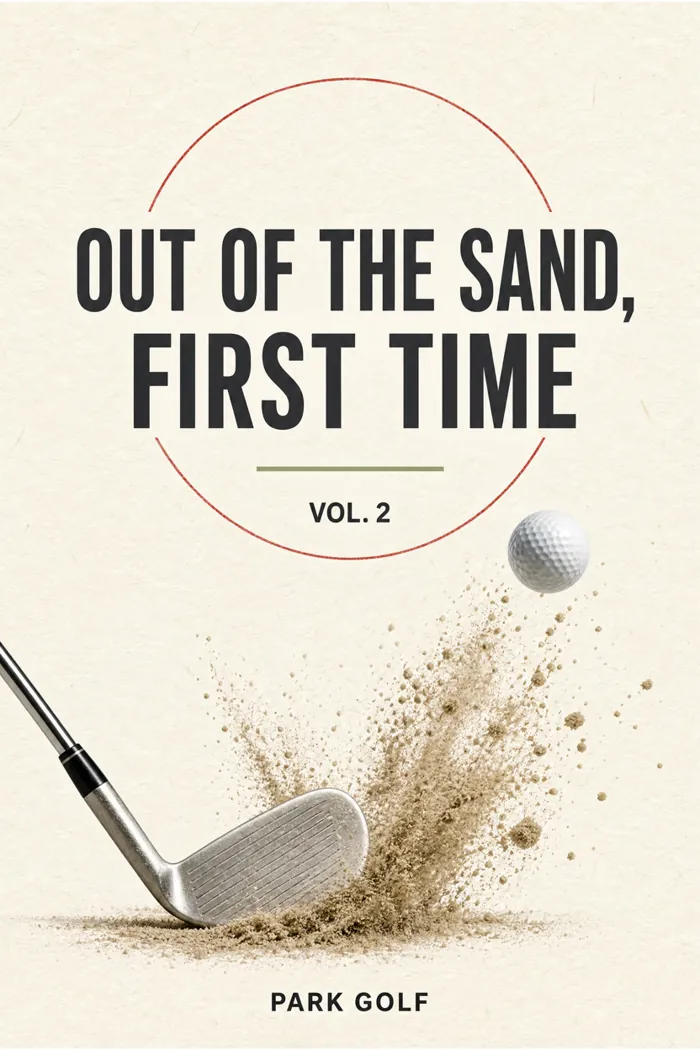
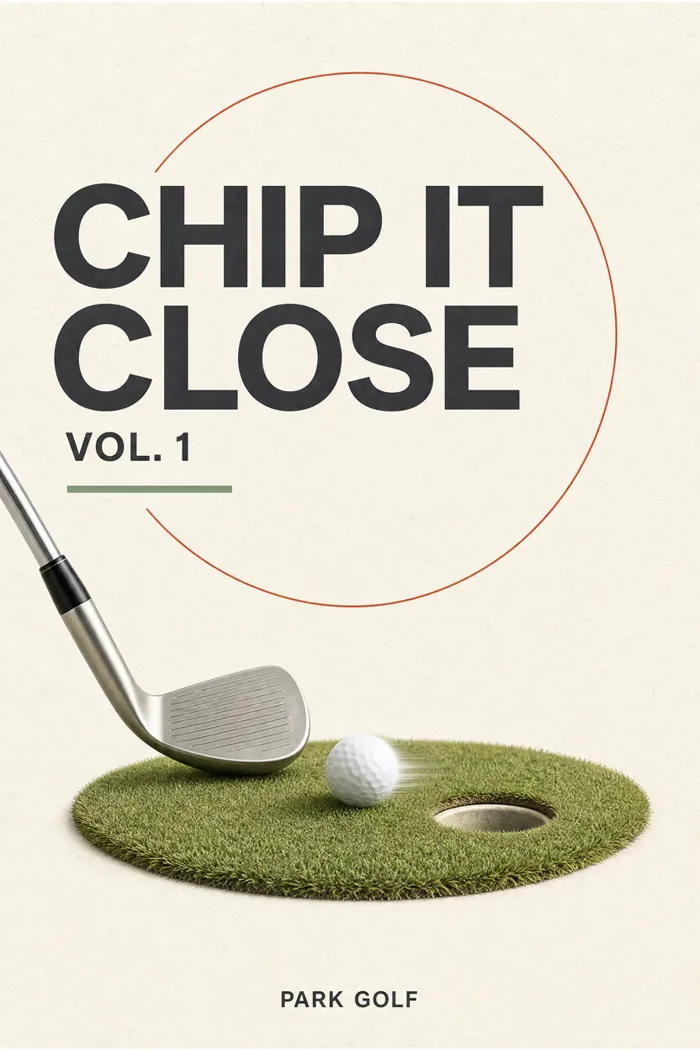
No. The putter you already own, a practice green and your hand. The chip book uses the 8 or 9-iron in your bag, and the bunker book uses your sand wedge.
03My greens are slow (or fast). Will it still work?
That is exactly why the plan starts on the practice green. Three putts — one flat, one uphill, one downhill — tell you how far your measured stroke rolls on that day's green. On slow greens you change the length of the backswing, not how hard you hit it.
04Can you promise I'll stop three-putting?
No, and nobody honest can. Your results depend on your greens, your practice and your body. What many golfers find is that more of their long putts finish close enough to tap in. What we promise is a clear method, a short routine and seven days to get every cent back if it isn't for you.
05I'm in my seventies. Is it too late?
Putting is the part of golf where age takes the least away. There is no speed to find and no flexibility to regain — just a setup, a measure and a routine. The bunker book was written the same way: a short, slow swing that doesn't ask for strength.
06Is this some kind of Japanese mysticism?
No. The Japanese part is the calm pace and an old hand-span measure you can check for yourself. Everything else is plain mechanics you can test on your own practice green. No philosophy, no ceremony.